
The Evolution of Pharmaceutical Marketing: How Visual Storytelling is Transforming Healthcare Brands
- Packshot Studio
- Jun 22
- 8 min read
Pharmaceutical Products Save Lives But First, They Must Be Understood

The pharmaceutical industry is one of the most influential sectors in the world, shaping healthcare systems, improving quality of life, and supporting billions of people through medicines, medical devices, wellness products, and healthcare solutions. Behind every pharmaceutical product lies years of research, innovation, manufacturing, and regulatory compliance. Yet, no matter how advanced a product may be, its value can only be realized when healthcare professionals, distributors, and consumers clearly understand and trust it.
In an increasingly competitive and digitally connected marketplace, effective communication has become just as important as scientific innovation.
This article explores how the pharmaceutical industry has evolved globally, how products move from manufacturers to end users, and why modern healthcare brands face growing challenges in marketing and communication. We will examine the role of pharmaceutical packaging, customer behavior, and digital transformation, while exploring how product photography, CGI, AI-generated content, and 3D visualization are helping brands communicate complex healthcare solutions with greater clarity and impact. Finally, we look at how visual storytelling is becoming a powerful bridge between scientific innovation and customer understanding in today's pharmaceutical and healthcare market. The pharmaceutical industry plays a critical role in modern society. From life-saving medicines and vaccines to healthcare devices, wellness supplements, and personal care solutions, pharmaceutical products influence the lives of billions of people every day.
Yet, despite the science, research, and innovation behind these products, one challenge remains constant: how do pharmaceutical companies effectively communicate their value to the people who need them?
Developing a pharmaceutical product can take years of research, testing, compliance, and regulatory approvals. However, creating an effective product is only part of the journey. The product must also be presented in a way that builds trust, communicates benefits, and helps people understand its purpose.
Today, the pharmaceutical industry is no longer competing solely through innovation and manufacturing capabilities. Brands are increasingly competing through communication, education, and visual presentation.
As digital platforms continue to transform how healthcare information is consumed, visual storytelling has emerged as one of the most powerful tools in pharmaceutical marketing.
At Packshot Studio, we believe that great products deserve clear and compelling presentation. By combining photography, CGI, 3D visualization, and commercial marketing assets, healthcare brands can communicate complex information with greater clarity and confidence.
The Evolution of the Pharmaceutical Industry
The pharmaceutical industry has evolved dramatically over the past century.
Historically, medicine was produced by local apothecaries and small-scale practitioners who relied heavily on traditional knowledge and manual preparation methods. Treatments were often personalized, and manufacturing processes lacked consistency.
The Industrial Revolution changed everything.
Advancements in chemistry, biology, and manufacturing enabled medicines to be produced at scale. Pharmaceutical companies began investing heavily in research and development, leading to the creation of standardized drugs, vaccines, and healthcare treatments that could be distributed globally.
Throughout the twentieth century, pharmaceutical innovation accelerated rapidly.
Breakthroughs in antibiotics, vaccines, pain management, cardiovascular treatments, and chronic disease management transformed healthcare systems around the world.
As healthcare infrastructure expanded, pharmaceutical companies evolved from local manufacturers into multinational organizations serving millions of patients across continents.
Today, the pharmaceutical sector represents one of the world's largest and most influential industries, supporting healthcare providers, hospitals, distributors, pharmacies, and consumers on a global scale.
However, as products become more sophisticated, the challenge of communicating their value becomes increasingly complex.
India: The Pharmacy of the World
No discussion about pharmaceuticals is complete without recognizing India's contribution to global healthcare.

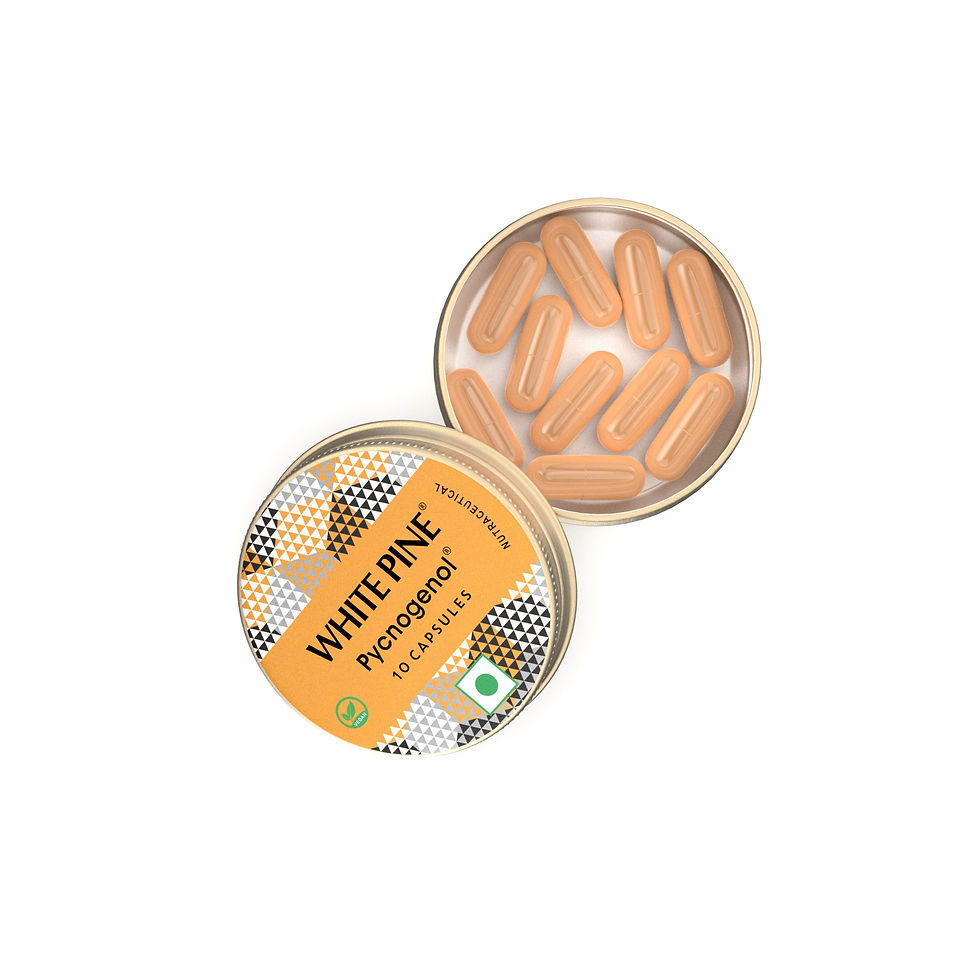
Over the past few decades, India has emerged as one of the largest pharmaceutical manufacturing hubs in the world. The country is widely recognized as the "Pharmacy of the World" due to its ability to produce high-quality medicines at scale and distribute them across global markets.
Indian pharmaceutical manufacturers supply generic medicines to numerous countries and play a crucial role in making healthcare more accessible worldwide.
The industry's growth has been fueled by:
Strong manufacturing capabilities
Skilled scientific talent
Competitive production costs
Expanding healthcare infrastructure
Growing investment in research and innovation
Today, Indian pharmaceutical companies serve domestic and international markets, supplying products ranging from generic medicines and healthcare supplements to specialized therapies and medical devices.
As competition increases both locally and globally, pharmaceutical brands must find ways to differentiate themselves beyond manufacturing excellence. This is where effective marketing and visual communication become increasingly important.
Understanding the Pharmaceutical Customer Journey
Unlike many consumer industries, pharmaceutical purchasing decisions involve multiple stakeholders.
A skincare brand may communicate directly with consumers. A fashion brand may focus primarily on lifestyle marketing. Pharmaceutical companies, however, operate within a much more complex ecosystem.
Their audience may include:
Manufacturers
Distributors
Hospitals
Healthcare institutions
Doctors
Pharmacists
Retail chains
Online healthcare platforms
End consumers
Each audience evaluates products differently.
A doctor may focus on clinical effectiveness and scientific evidence.
A distributor may prioritize logistics, packaging, and product consistency.
A pharmacist may evaluate ease of recommendation and consumer demand.
Consumers often focus on trust, credibility, safety, and ease of understanding.
This diversity creates a significant communication challenge.
Brands must present the same product in ways that satisfy technical, commercial, and emotional expectations simultaneously.
Traditional marketing materials often struggle to address all these perspectives effectively.
Modern visual communication helps bridge this gap by making complex information easier to understand.
Pharmaceutical Packaging: More Than Just a Container
Many people view pharmaceutical packaging simply as a protective layer for medicines.
In reality, packaging performs several critical functions.
It protects products from contamination, communicates usage instructions, ensures regulatory compliance, and helps establish brand identity.
For many consumers, packaging creates the first impression of a healthcare product.
Before reading clinical information, patients often evaluate:
Product appearance
Packaging quality
Brand professionalism
Clarity of information
In pharmacies, retail stores, and e-commerce platforms, packaging significantly influences perception and trust.
This is why pharmaceutical packaging has evolved into a strategic marketing asset rather than a simple protective component.
Modern healthcare brands invest heavily in packaging design because they understand that presentation directly influences customer confidence.
Visual tools such as professional photography, CGI packaging renders, and 3D product mockups allow brands to showcase packaging clearly across websites, catalogs, distributor presentations, and marketing campaigns.
The Evolution of Pharmaceutical Marketing
For decades, pharmaceutical marketing followed a relatively straightforward model.
Companies relied on:
Medical representatives
Scientific conferences
Printed brochures
Product catalogs
Healthcare exhibitions
Information flowed primarily through professional channels.
Today, however, the marketing landscape has changed dramatically.
Healthcare professionals increasingly research products online.
Distributors compare suppliers digitally.
Consumers seek healthcare information through websites, social media, e-commerce platforms, and educational content.
As a result, pharmaceutical brands must now compete for attention across multiple digital touchpoints.
This shift has transformed pharmaceutical marketing from a document-driven process into a visual-first communication strategy.
Brands now require:
Professional product photography
Product demonstration videos
Digital catalogs
Packaging visualization
Educational content
CGI marketing assets
3D product presentations
The goal is no longer simply sharing information.
The goal is helping people understand products quickly and confidently.
Why Pharmaceutical Brands Struggle with Marketing
Despite producing excellent products, many pharmaceutical companies face marketing challenges.
One major reason is complexity.
Healthcare products often involve technical terminology, scientific processes, and detailed specifications that can overwhelm audiences.
Common challenges include:
Complex Product Information
Scientific details can be difficult to communicate clearly to non-technical audiences.
Building Trust
Healthcare decisions involve risk. Consumers require confidence before purchasing or using a product.
Product Differentiation
Many products offer similar benefits, making it difficult to stand out in crowded markets.
Regulatory Constraints
Pharmaceutical marketing often operates under strict compliance requirements that limit communication approaches.
Multiple Stakeholders
Different audiences require different messaging while maintaining consistency.
Because of these challenges, brands must find ways to simplify communication without sacrificing accuracy.
This is where visual storytelling becomes incredibly valuable.
"In healthcare, innovation builds better products—but visual communication builds understanding, trust, and adoption."
Why Visual Communication Matters in Healthcare
Healthcare products are often complex.
Visual communication helps transform complexity into clarity.
Rather than relying solely on lengthy explanations, brands can use imagery and videos to demonstrate value instantly.
Professional visuals help pharmaceutical companies:
Improve Product Understanding
Customers can quickly understand packaging, usage, and product features.
Build Professional Credibility
High-quality visuals reinforce trust and professionalism.
Enhance Educational Marketing
Visual explanations simplify healthcare concepts and improve information retention.
Increase Brand Recognition
Consistent visual identity strengthens long-term brand recall.
Support Digital Marketing
Effective visuals improve website engagement, advertising performance, and social media reach.
In today's healthcare marketplace, trust is often built through what people see before they read.
Photography, CGI, AI, and 3D Visualization: Understanding the Difference
As pharmaceutical marketing evolves, brands are increasingly using advanced visualization technologies.
Product Photography
Photography captures real products using professional lighting, styling, and production techniques.
It remains essential for:
Packaging images
E-commerce listings
Product catalogs
Marketing brochures
Distributor presentations
Photography creates authenticity and serves as the foundation of many pharmaceutical marketing campaigns.
CGI (Computer Generated Imagery)
CGI involves creating entirely digital visuals using computer software.
Unlike photography, CGI provides complete creative control over environments, materials, and lighting.
Healthcare brands use CGI to:
Create premium marketing campaigns
Showcase products before manufacturing
Develop conceptual healthcare visuals
Produce highly controlled presentations
3D Product Visualization
3D visualization focuses on building accurate digital representations of products.
These digital assets can be used to generate:
Product images
Exploded views
Educational animations
Product demonstration videos
Packaging visualizations
This approach is particularly valuable for medical devices and technical healthcare products.
Artificial Intelligence (AI)
AI supports the creative process by improving efficiency and accelerating production workflows.
AI can assist with:
Concept development
Content variations
Workflow optimization
Visual enhancement
Asset generation
However, AI works best when guided by human expertise.
The most effective healthcare marketing combines technological efficiency with strategic human creativity.
Medical Devices and Healthcare Equipment: A Growing Opportunity
The pharmaceutical industry extends far beyond medicines.
Healthcare equipment, diagnostic systems, laboratory instruments, and medical devices represent a rapidly growing segment of the healthcare market.
These products often present unique marketing challenges.
Unlike consumer products, medical equipment frequently involves:
Technical functionality
Internal mechanisms
Engineering complexity
Specialized user groups
Traditional photography can capture external appearance, but it often struggles to explain how a device works internally.
This is where CGI and 3D visualization become extremely valuable.
Using advanced 3D modeling, brands can create:
Exploded component views
Internal mechanism animations
Product demonstration videos
Interactive presentations
Training materials
For healthcare manufacturers, these assets help simplify technical communication while improving engagement among buyers, distributors, and healthcare professionals.
How Packshot Studio Supports Pharmaceutical and Healthcare Brands
At Packshot Studio, we understand that pharmaceutical marketing requires more than attractive visuals.
Healthcare products demand accuracy, professionalism, and trust.
Our approach combines technical understanding with creative execution to help healthcare brands communicate effectively.
Our services include:
Pharmaceutical product photography
Packaging visualization
CGI healthcare campaigns
Medical device rendering
Product explainer videos
3D product mockups
Commercial marketing visuals
Digital catalog assets
Whether launching a new healthcare product, introducing medical equipment, or strengthening an established brand presence, our goal is to help businesses communicate with clarity and confidence.
By transforming complex products into engaging visual stories, we help brands connect more effectively with their audiences.
The Future of Pharmaceutical Marketing
The future of pharmaceutical marketing will be increasingly digital, educational, and visually driven.
Healthcare brands are already embracing:
Interactive product visualization
Augmented reality experiences
Virtual product launches
3D educational content
AI-assisted marketing workflows
Digital healthcare catalogs
As technology continues to evolve, the gap between scientific innovation and customer understanding will continue to shrink.
The companies that succeed will not necessarily be those with the most advanced products alone.
They will be the companies that communicate those products most effectively.
Because in healthcare, understanding creates confidence, and confidence drives adoption.
From Innovation to Understanding
Pharmaceutical products are developed through years of scientific research, rigorous testing, and continuous innovation.
Yet before they can improve lives, they must first be understood.
In today's digital healthcare ecosystem, visual communication has become the bridge between scientific complexity and human understanding.
Through professional photography, CGI, AI-assisted workflows, and 3D product visualization, healthcare brands can communicate more clearly, educate more effectively, and build stronger trust with their audiences.
At Packshot Studio, we believe that healthcare innovation deserves world-class presentation.
Because medicines may be developed in laboratories and manufactured in factories but their value is ultimately communicated through clarity, trust, and the stories brands tell.


Comments